The Uncanny X-Men
Comic Series, 1978
Items in The Uncanny X-Men
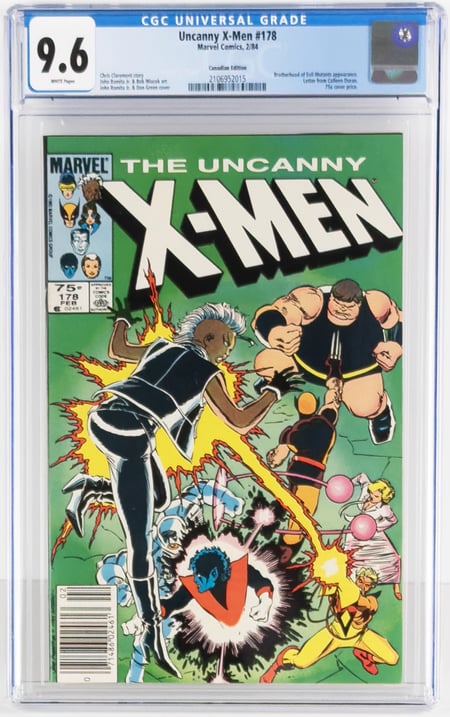
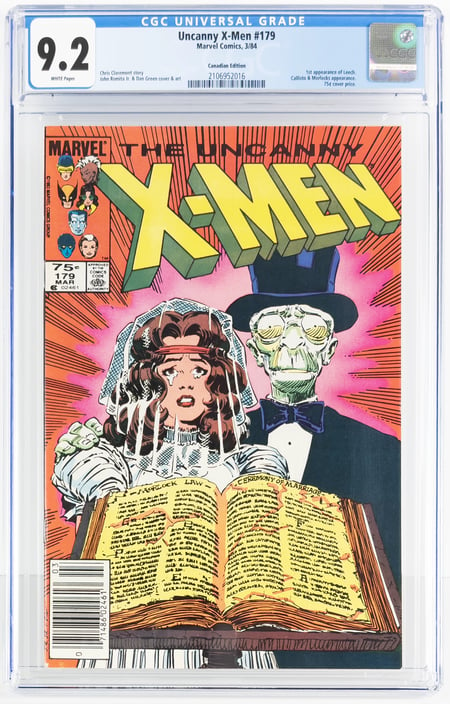
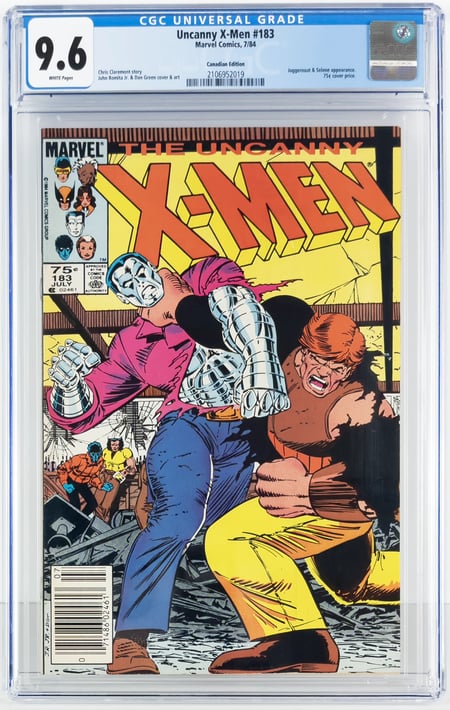
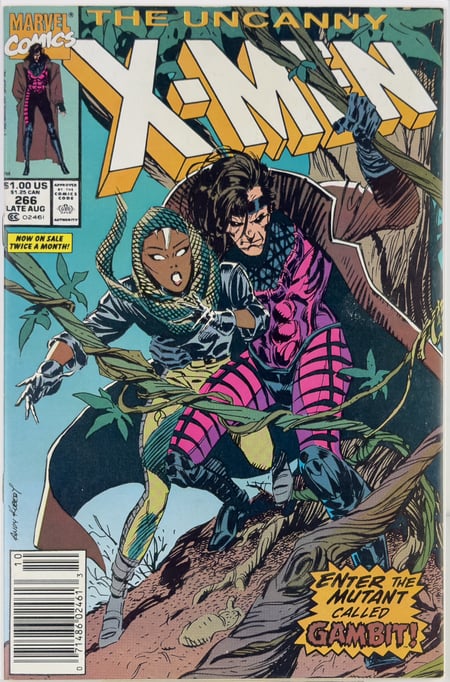
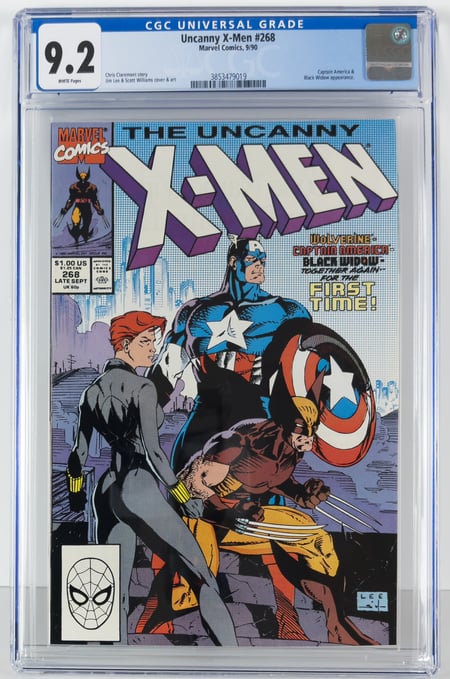
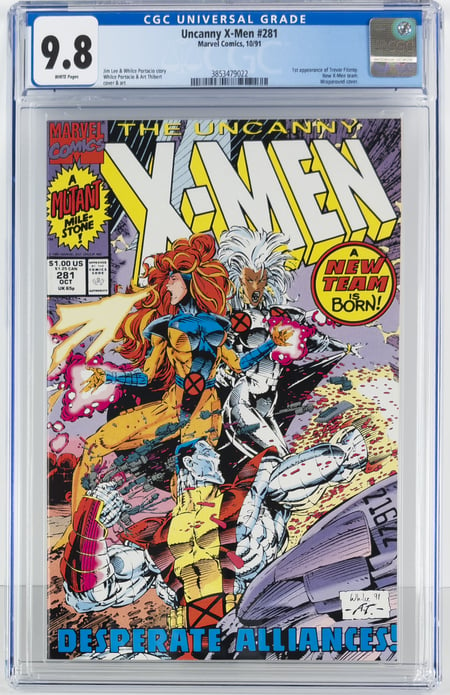
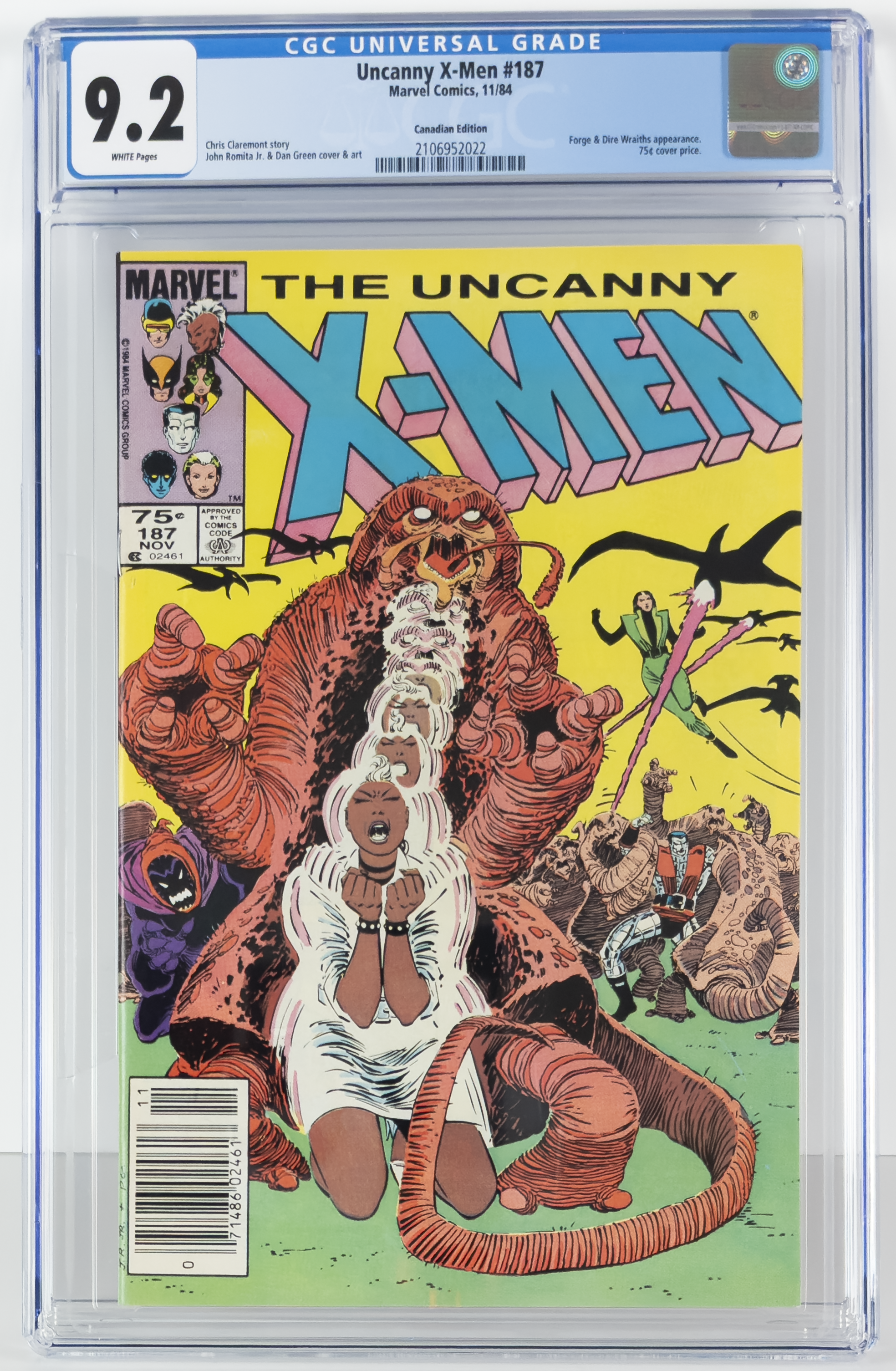
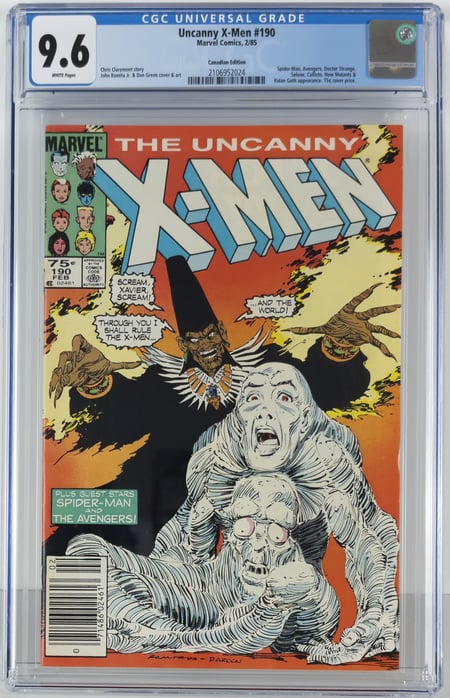
The Uncanny X-Men
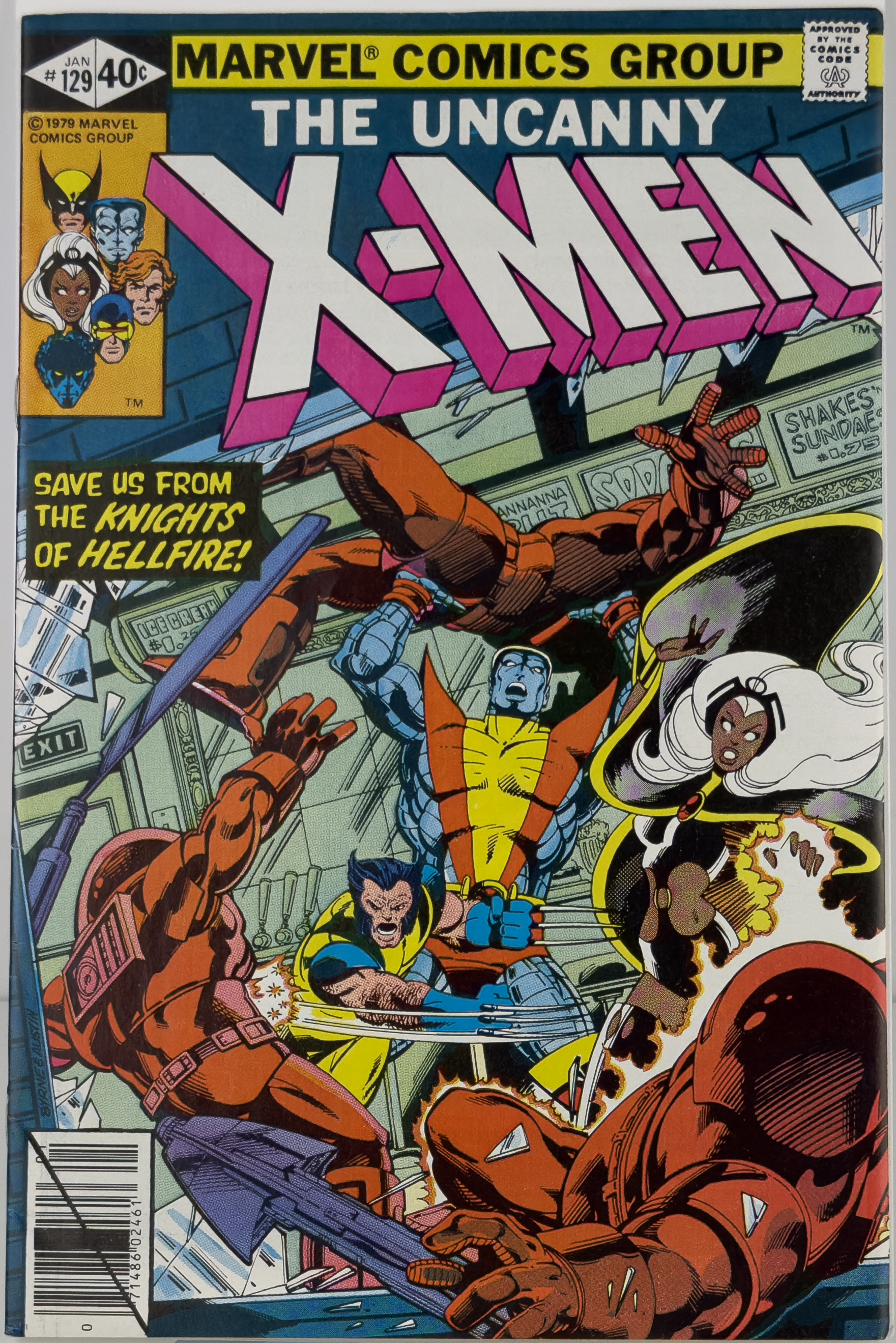
Originally launched in 1963 as The X-Men by Stan Lee and Jack Kirby, the series was renamed The Uncanny X-Men with issue #142 in 1981, though the adjective had appeared on covers since 1978. The title follows a group of mutants—individuals born with a "Genome X" that grants superhuman abilities—who are led by Professor Charles Xavier in a mission to promote peaceful coexistence between mutants and baseline humanity. Following a period of reprints and low sales in the early 1970s, the series was revitalized in 1975 with Giant-Size X-Men #1, which introduced an international roster including Storm, Nightcrawler, and Colossus, alongside the previously introduced Wolverine.
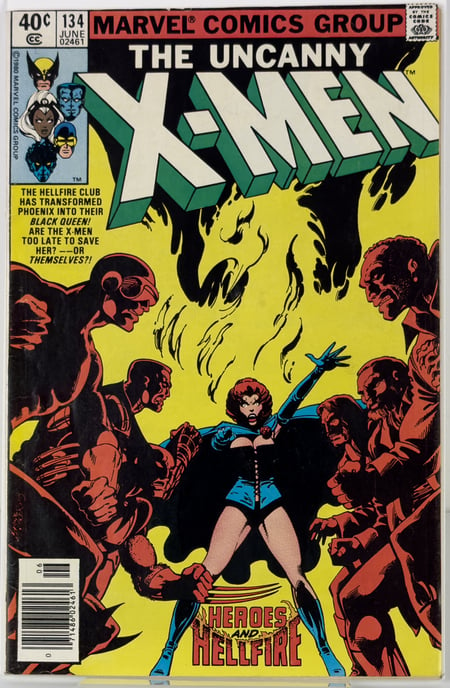
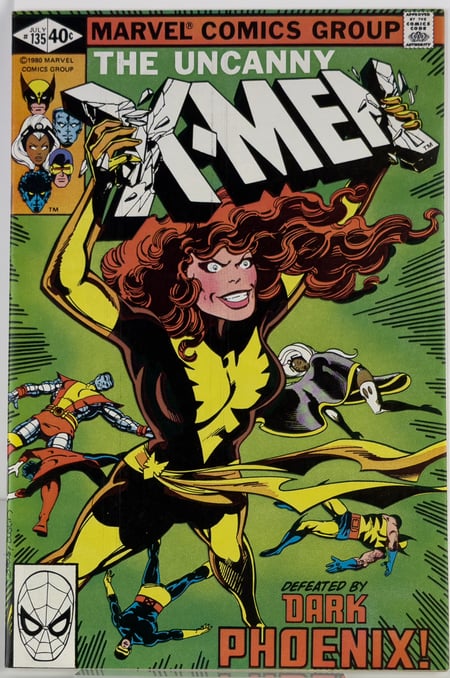
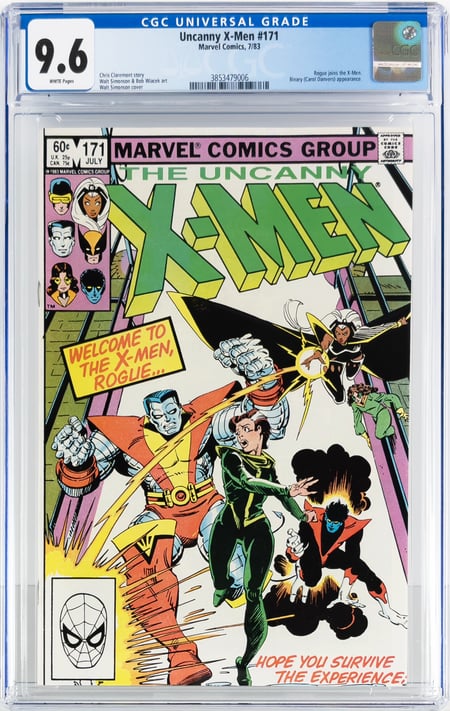
The series reached a definitive creative peak during the sixteen year tenure of writer Chris Claremont, often in collaboration with artists such as Dave Cockrum, John Byrne, and Jim Lee. This era established the foundational "keys" of the X-Men mythos, including the "Dark Phoenix Saga" and "Days of Future Past," which introduced complex themes of prejudice, sacrifice, and temporal mechanics. Technical milestones included the transition from traditional team adventures to long form, interconnected "crossover" events like "Mutant Massacre" and "Fall of the Mutants." These stories expanded the cast to include iconic figures such as Rogue, Kitty Pryde, and Gambit, while transforming the antagonist Magneto into a nuanced, morally grey figure.
The cultural impact of Uncanny X-Men is defined by its role as a metaphor for civil rights and social marginalized groups, making it one of the most intellectually resonant properties in the history of the medium. By the early 1990s, the franchise had become a massive commercial juggernaut, leading to the 1991 launch of a second volume which holds the record for the highest selling single issue of all time. The series served as the primary source material for the 1992 animated series and a multi decade film franchise, cementing the "X" brand as a pillar of global pop culture. Its legacy is found in its sophisticated character development and its influence on how modern serialized fiction handles large ensemble casts.