Vintage Photography
Works by Vintage Photography
Vintage Photography
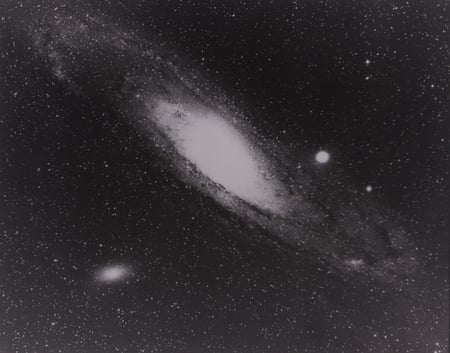
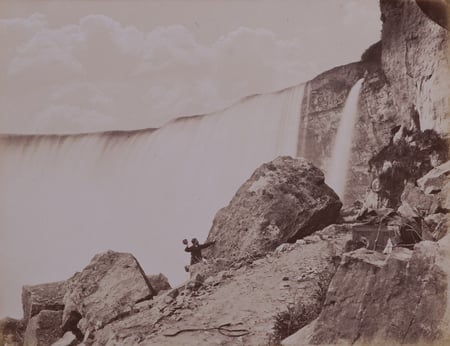
Vintage photography encompasses works produced from the mid-1800s through approximately the 1960s, documenting a period of significant technological evolution in photographic processes. This era saw the transition from early techniques like daguerreotypes and albumen prints to gelatin silver prints, and eventually to early color processes. Throughout this development, photographers worked with increasingly sophisticated but still fundamentally manual equipment, requiring technical precision in exposure, development, and printing. Each vintage photograph represents not only its subject matter but also the specific chemical and optical technologies of its time.
These historical photographs serve as primary source documentation across numerous fields including industrial development, scientific advancement, cultural anthropology, and everyday life. The material aspects of vintage photographs—their paper stock, chemical composition, mounting techniques, and printing methods—often allow experts to date and authenticate them even without identifying marks. Collectors and institutions value these works for their historical context, their representation of specific photographic processes, and the way they capture moments in time that cannot be recreated. As physical artifacts from the pre-digital era, vintage photographs continue to provide researchers and enthusiasts with valuable information about both photographic practice and the subjects they document.