The Pokémon Company
Works by The Pokémon Company



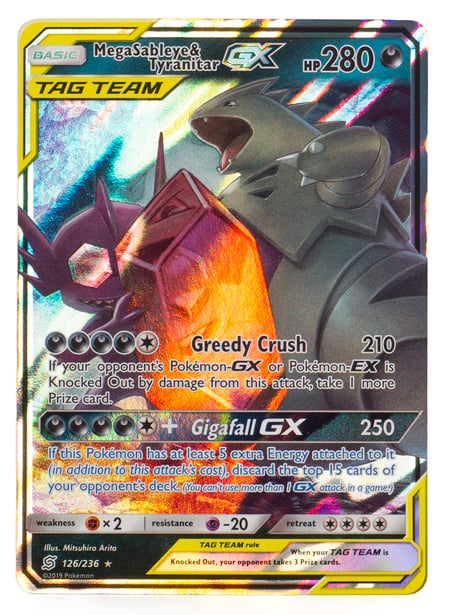
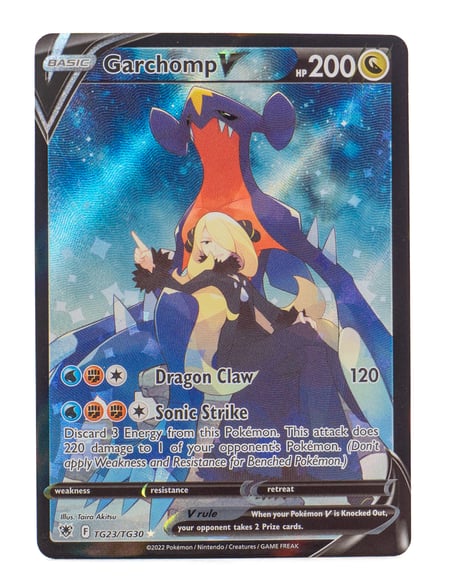
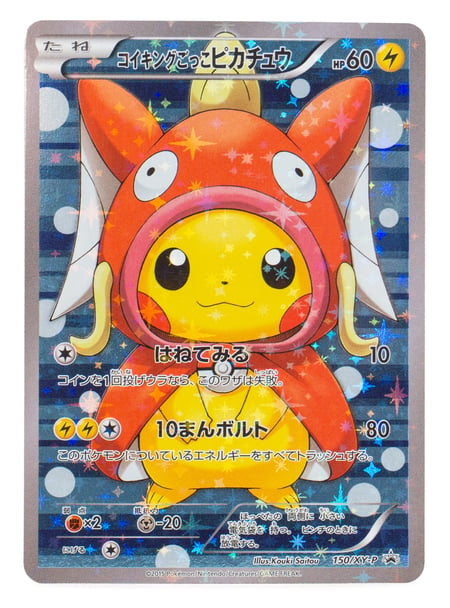
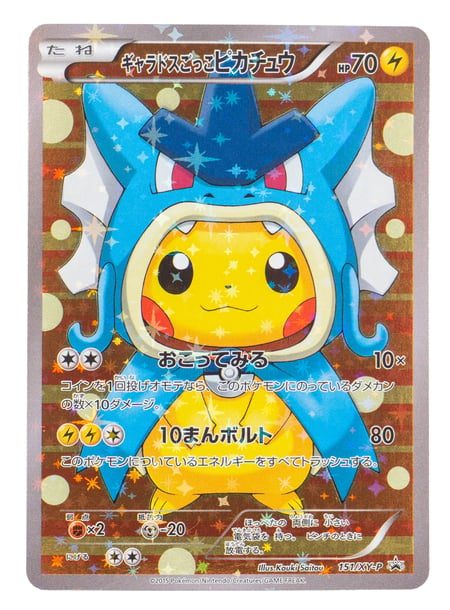

The Pokémon Company
The Pokémon Company was established on April 23, 1998, as a joint venture between Nintendo, Game Freak, and Creatures. Originally incorporated as Pokémon Center Co., Ltd., the entity was created to manage the growing retail presence and licensing demands of the franchise following the 1996 debut of the original video games in Japan. In October 2000, the organization rebranded to its current name to reflect a broader mandate of total brand management. Led by President Tsunekazu Ishihara, the company serves as the central hub coordinating the efforts of its three parent owners, with Nintendo handling publishing, Game Freak overseeing game development, and Creatures focusing on the trading card game and 3D modeling.
The company's history is defined by the strategic expansion of the Pokémon intellectual property across multiple media formats. Following the international launch of the video games and anime in 1998, the company oversaw the 1999 North American release of the Pokémon Trading Card Game, which became a foundational pillar of the brand's physical presence. A significant operational shift occurred in 2001 with the establishment of Pokémon USA, Inc., now known as The Pokémon Company International, to manage territories outside of Asia. Key technical milestones include the transition of the core video game series into full 3D graphics with the 2013 release of Pokémon X and Y and the 2016 launch of Pokémon GO, which introduced augmented reality mechanics to a global mobile audience.
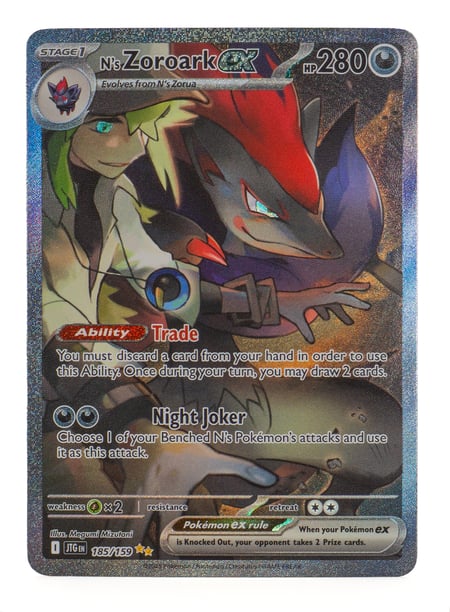
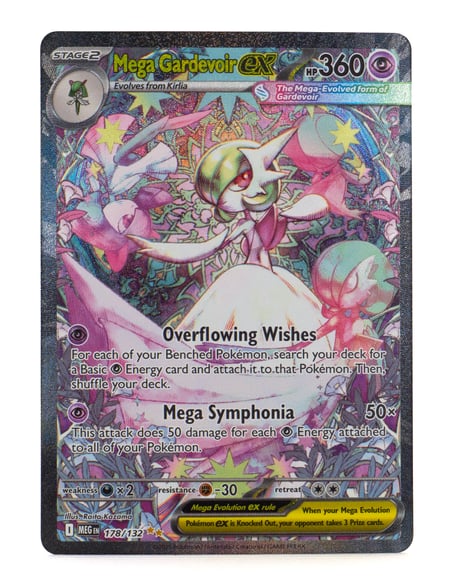
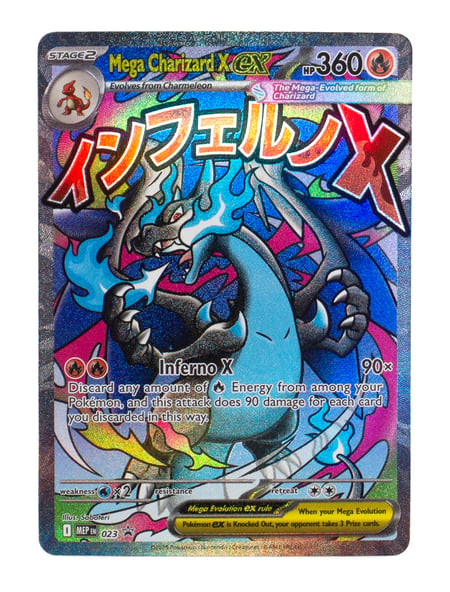
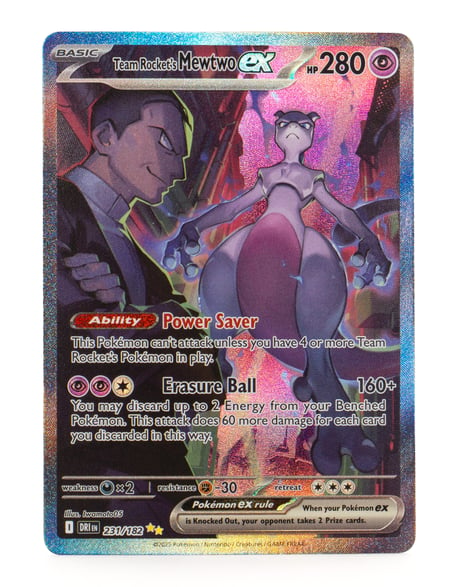
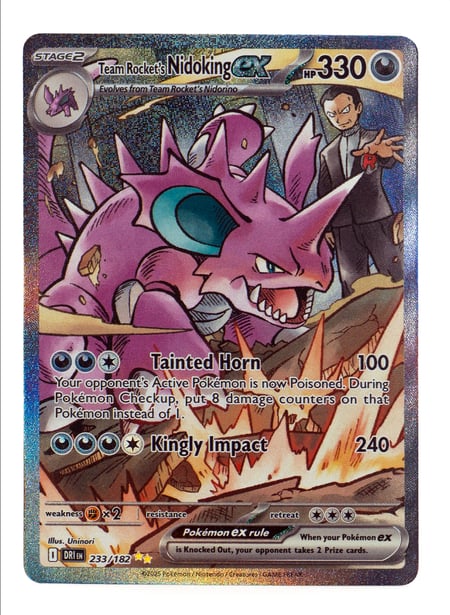
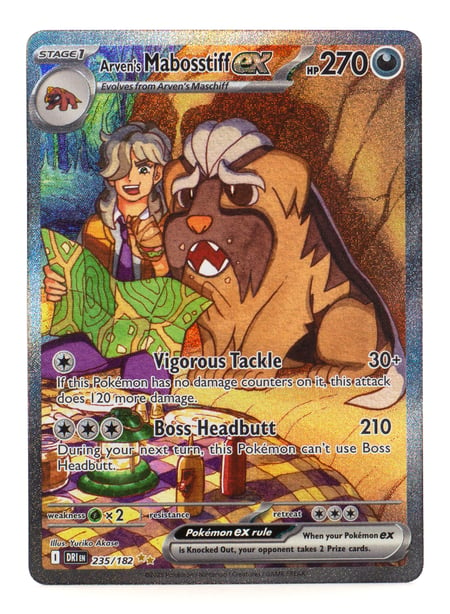
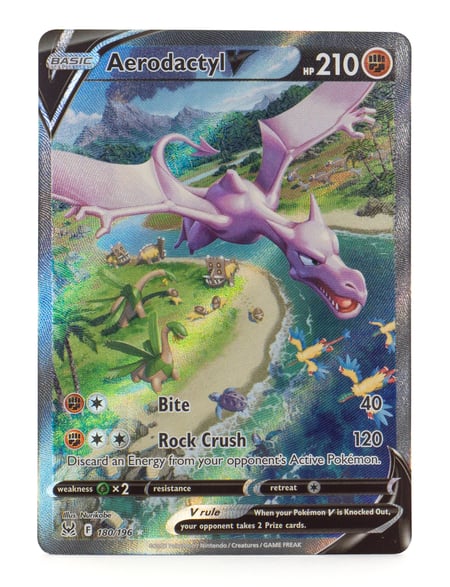
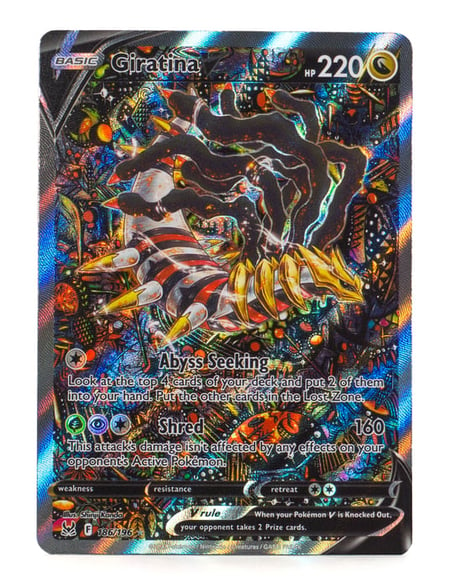
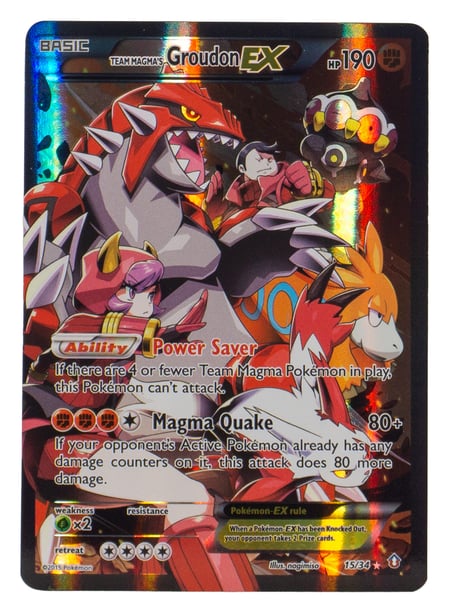
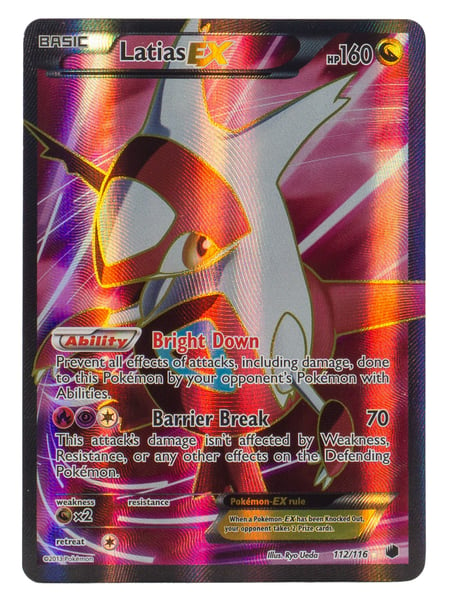
In the realm of collectibles, The Pokémon Company oversees one of the most prolific and strictly regulated ecosystems in the hobby industry. The nature of its collectible interest is rooted in the vast diversity of its output, ranging from the Trading Card Game to limited edition "Pokémon Center" retail merchandise. Historical significance is often placed on "First Edition" printings of early card sets and regional variations of software, which serve as primary targets for archival preservation. The franchise's cultural impact is officially recognized through its presence in the National Museum of Play and its frequent inclusion in institutional studies regarding the globalization of Japanese media. By centralizing trademark and copyright oversight, the company has maintained a consistent brand identity that supports a secondary market focused on rarity, production errors, and promotional ephemera.