The Rolling Stones
Works by The Rolling Stones
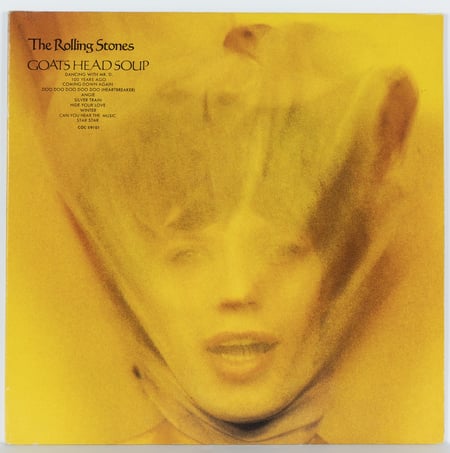
The Rolling Stones
The Rolling Stones formed in London in 1962, appearing for the first time at the Marquee Club on July 12 of that year. The original lineup featured vocalist Mick Jagger, guitarist Keith Richards, multi-instrumentalist Brian Jones, bassist Dick Taylor, and pianist Ian Stewart, with drummer Charlie Watts and bassist Bill Wyman joining shortly thereafter to solidify the classic roster. Under the management of Andrew Loog Oldham, who signed them to Decca Records in 1963, the group was positioned as a gritty, rhythm and blues oriented alternative to contemporary pop acts. Their name was famously derived from the Muddy Waters track Rollin' Stone, reflecting the band's deep roots in Chicago blues and the influence of artists like Chuck Berry and Bo Diddley on their early repertoire.
The band's career is marked by several technical and creative milestones that shifted the trajectory of rock music. Their 1966 release, Aftermath, was the first of their albums to consist entirely of original compositions by the Jagger and Richards songwriting partnership, moving the group beyond their initial reliance on cover versions. In 1971, the band launched their own independent label, Rolling Stones Records, debuting the famous tongue and lips logo designed by John Pasche on the Sticky Fingers album. This era also saw the introduction of the Andy Warhol designed zipper cover, a notable innovation in physical packaging. Throughout the late 1960s and early 1970s, the band produced a series of albums, including Beggars Banquet and Exile on Main St., that refined the use of open string guitar tunings and established a production aesthetic that would define the hard rock genre.
In the field of collectibles, The Rolling Stones hold a significant position due to their longevity and the distinct variations in their global discography. Because their early UK and US releases featured different track listings and cover art, such as the 1964 debut titled England's Newest Hit Makers in North America, collectors often focus on specific regional pressings and mono versus stereo mixes. Rarity is frequently tied to limited promotional items, withdrawn cover art, and the specific provenance of early concert ephemera. The band’s induction into the Rock & Roll Hall of Fame in 1989 and the inclusion of their original master recordings in the Library of Congress National Recording Registry underscore their status as a permanent fixture in musical history. Their influence extends to the standardization of large scale stadium touring and the professionalization of band branding, which remains a blueprint for the modern music industry.