Richard Condie
Works by Richard Condie
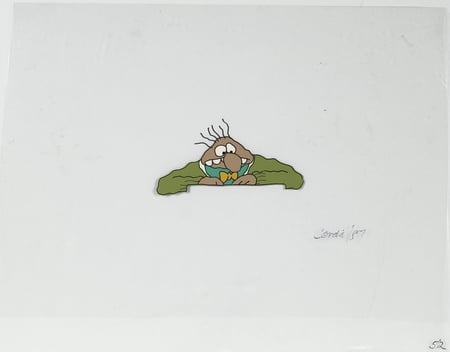
Richard Condie
Richard Condie is a Winnipeg-based animator known for his work with the National Film Board of Canada. His films employ a "boiling line" technique and minimalist character designs, combining absurdist humor with observations about everyday anxiety and human behavior. Condie's collaboration with the NFB's Winnipeg studio during the 1980s contributed to a period of distinctive, independent animated shorts that enhanced the organization's international profile in animation.
The National Film Board of Canada, established in 1939, has been a significant producer of documentary and animated films. Its animation studio has provided creative freedom to filmmakers and developed a reputation for supporting experimental and artistic approaches to animation. The NFB's animated works have received numerous international awards, and the organization continues to support Canadian filmmakers across various genres and formats.
Cel Animation Context:
Cel animation was the dominant technique in commercial and artistic animation from the 1910s through the 1990s. Each frame required a hand-drawn and painted image on a transparent cellulose acetate sheet, which was photographed over a static background. Major studios like Disney, Warner Bros., and the NFB used this process to create theatrical shorts, feature films, and television animation. The technique demanded extensive labor—a typical animated short required thousands of individual cels. By the late 1990s, digital animation largely replaced traditional cel animation due to cost and efficiency. Original production cels from this era are now collectible artifacts, representing both the artistic process and the films themselves. Cels from award-nominated films or signed by their creators hold particular value for collectors of animation history.