Kenner Action Figure
Works by Kenner Action Figure
Kenner Action Figure
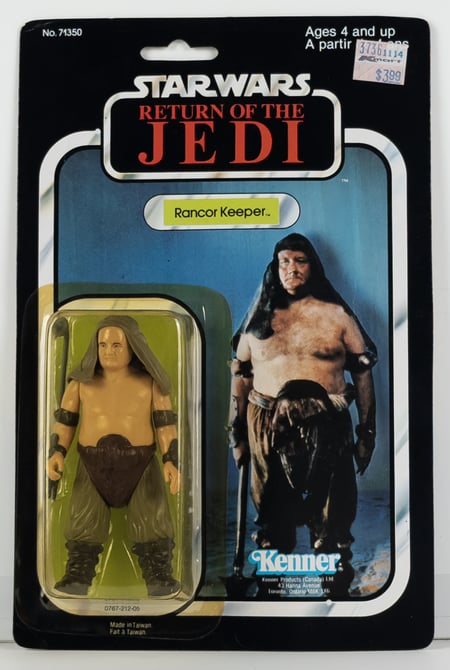
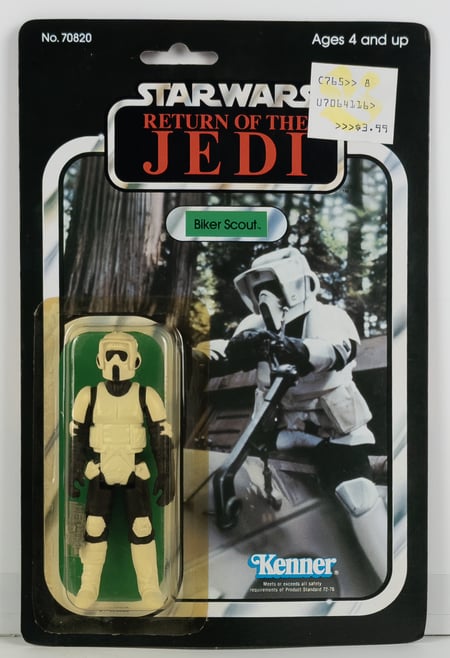
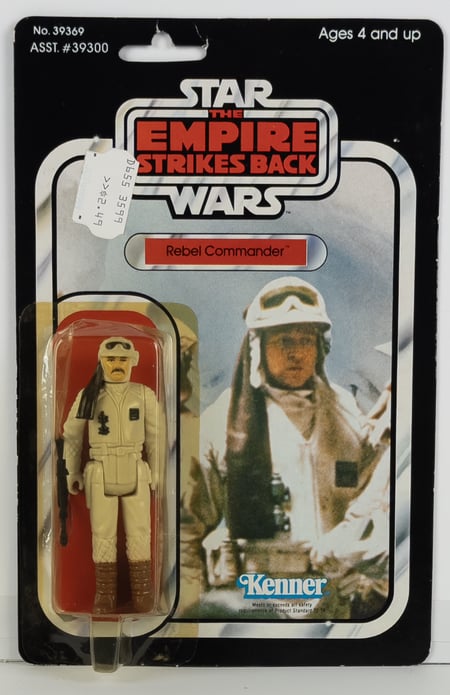
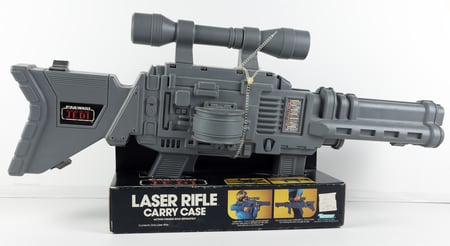
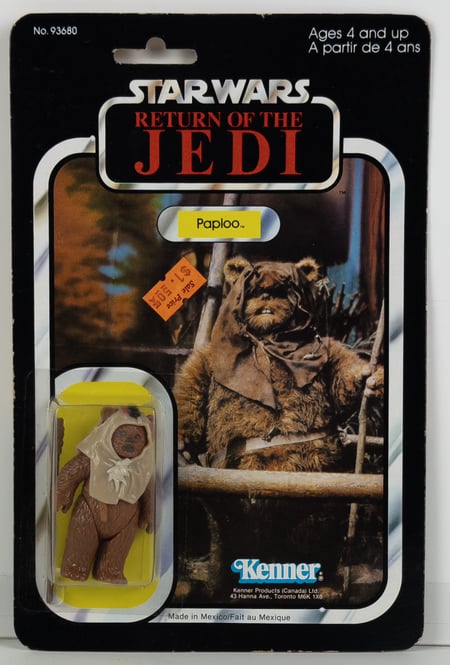
Kenner Products, founded in Cincinnati in 1947, became one of America's premier toy companies by pioneering innovative action figures and licensing strategies throughout the 1970s and 1980s. The company revolutionized the industry with the 1972 introduction of action figures with "real" action features, beginning with their Six Million Dollar Man line featuring bionic grip and telescopic vision. Kenner's approach to licensed properties transformed how toy companies developed media tie-ins. Their decision to standardize many lines at 3¾-inch scale, first popularized with Star Wars (1977-1985), allowed for extensive vehicle and playset compatibility while keeping costs reasonable for collectors. Major successes included Star Wars (which generated over $2 billion in sales), Super Powers Collection featuring DC Comics heroes (1984-1986), M.A.S.K. (1985-1988), and The Real Ghostbusters (1986-1991). Each line showcased Kenner's innovation in sculpting, action features, and marketing strategies that defined 1980s toy collecting.
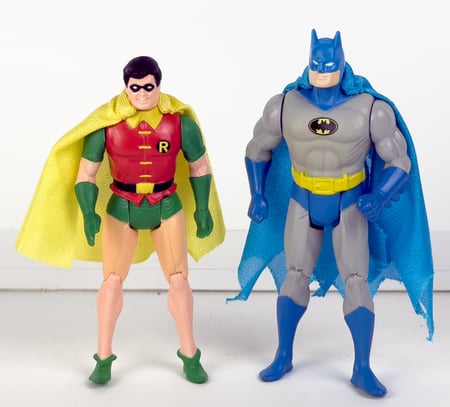
The Super Powers Collection (1984-1986) demonstrated Kenner's ability to compete with Mattel's He-Man by introducing squeeze-activated "Power Action" features to DC Comics characters. Batman and Robin figures from this line featured unique actions - Batman's arms moved for "Power Action Punch" while Robin performed a karate chop. The line included 33 figures over three series, with characters designed by legendary comics artist Jack Kirby. Kenner's other major 1980s lines showed similar innovation: M.A.S.K. combined transforming vehicles with action figures, while SilverHawks and Centurions pushed the boundaries of figure articulation and chrome finishing. The Real Ghostbusters line capitalized on the animated series with figures featuring unique sculpts and ghost-catching accessories. Kenner also produced successful lines for Robocop, Indiana Jones, and Jurassic Park, establishing templates for movie-based toy merchandising that influenced the entire industry.
Kenner's marketing innovations became industry standards across all their lines. They pioneered mail-away promotions, proof-of-purchase programs, and collectible packaging variations. The company's attention to detail included unique accessories, detailed packaging art, and cohesive line planning that encouraged collecting entire sets. Production facilities in Hong Kong, China, and Mexico created variations that modern collectors study extensively. Kenner's commitment to quality meant their figures maintained consistent articulation standards while competitors cut corners. The company's television advertising campaigns, particularly for Star Wars and Ghostbusters, set new standards for toy marketing. Sales across all Kenner lines during the 1980s exceeded $4 billion, making them one of the decade's most successful toy manufacturers before Hasbro acquired them in 1991.
Kenner's influence on action figure collecting and pop culture remains profound decades after their acquisition. Original Kenner figures from major lines command premium prices in the collector market, with carded examples often worth hundreds to thousands of dollars depending on rarity and condition. The company's approach to creating comprehensive toy lines that told stories through multiple figures, vehicles, and playsets established the modern action figure industry's foundation. When companies like Hasbro, Mattel, and others develop licensed properties today, they follow templates Kenner created. Modern revivals of properties like Ghostbusters, Star Wars, and DC Super Heroes often reference or directly homage original Kenner designs, acknowledging their definitive status in pop culture history. Kenner's legacy demonstrates how innovative toy design, quality manufacturing, and smart licensing could create products that transcended their status as mere toys to become cultural artifacts cherished by multiple generations.