Hot Wheels
Works by Hot Wheels
Hot Wheels
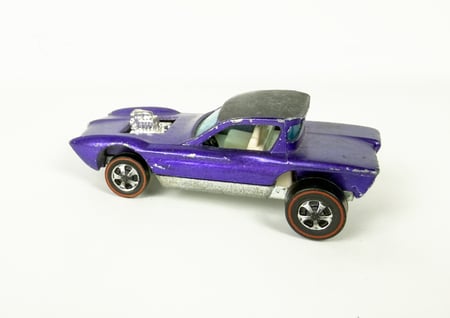
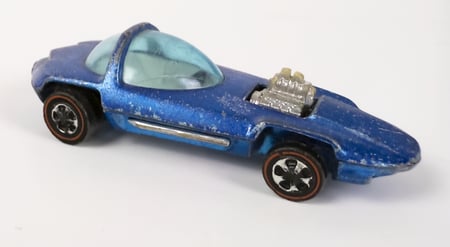
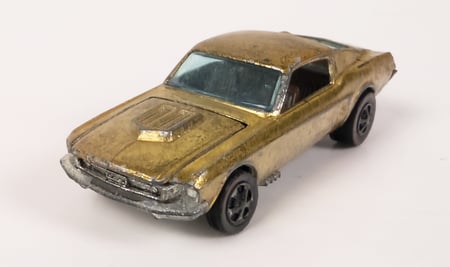
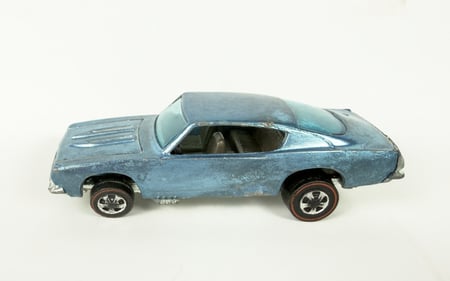
Hot Wheels launched in 1968 when Mattel co-founder Elliot Handler challenged his design team to create die-cast cars that looked like "hot rods" and performed better than competitor Matchbox's more realistic vehicles. The first line of 16 cars, known as the "Sweet Sixteen," featured Spectraflame paint, redline tires, and low-friction wheels that made them the fastest die-cast cars available. Designed by Harry Bentley Bradley and Ira Gilford, these California custom-style cars revolutionized the toy car market with their speed, style, and signature orange track system. Initial retail price was 59 cents, with production in both the United States and Hong Kong. The brand immediately captured the imagination of children and hot rod enthusiasts, selling 16 million cars in its first year and establishing Mattel as a serious competitor in the die-cast market.
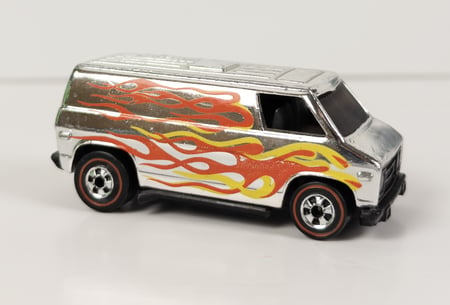
The original Redline era (1968-1977) has become the holy grail for Hot Wheels collectors, named for the red stripe on the tire sidewalls that distinguished these early models. Certain Redline cars command extraordinary prices in the collector's market, with rare variations and colors fetching thousands of dollars. The pink Beach Bomb rear-loading van prototype from 1969, of which only two are known to exist, sold for $175,000 in 2011, making it the most valuable Hot Wheels car ever sold. Other highly sought-after Redlines include the "Enamel White" Camaro, the "Ed Shaver" Custom AMX, and various Hong Kong-exclusive colors. Condition is paramount in valuations, with mint-condition cars in original packaging commanding exponential premiums. The Redline era ended in 1977 when Mattel switched to basic wheels, marking a clear delineation for collectors between vintage and modern eras.
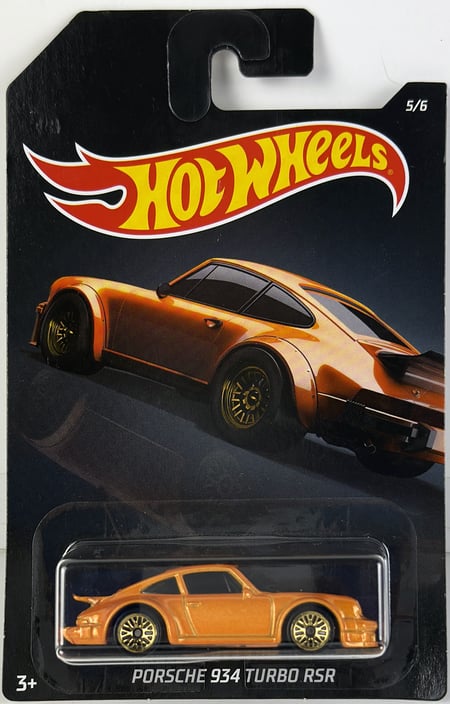
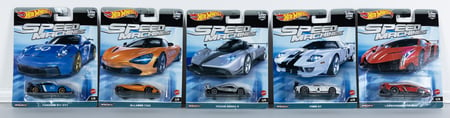
Hot Wheels evolved from simple toys into a massive collecting phenomenon, with an estimated 41 million adults worldwide collecting the cars. The brand releases approximately 450 different models annually across various series including mainlines, premium lines, and store exclusives. Limited editions, Treasure Hunts (introduced in 1995), and Super Treasure Hunts (with rubber tires and Spectraflame paint) create a sophisticated hunting culture where collectors scour stores for rare finds. The secondary market is robust, with conventions, online communities, and price guides supporting a multi-million dollar collecting economy. Annual releases now include everything from pop culture vehicles (Batman, Star Wars, Marvel) to exact replicas of real racing cars, maintaining relevance across multiple generations. Mattel has sold over 6 billion Hot Wheels cars since 1968, making it the best-selling toy in history.
Hot Wheels' cultural impact extends far beyond the toy aisle, becoming an integral part of American automotive culture and childhood nostalgia. The brand has influenced real automotive design, with full-scale versions of Hot Wheels original designs being built and displayed at major auto shows. Partnerships with virtually every major automaker ensure new car models appear in Hot Wheels form, often introducing children to brands they'll purchase as adults. The collecting community spans all demographics, from children trading duplicates to serious investors treating rare cars as alternative investments. Hot Wheels has maintained relevance through video games, animated series, and spectacular live events featuring life-size track stunts. The brand's 50+ year success demonstrates how a well-designed toy can transcend its original purpose to become a cultural icon, investment vehicle, and intergenerational bridge between parents and children united by the simple joy of miniature speed machines.