David Bowie
Works by David Bowie
David Bowie
David Bowie, born David Robert Jones on January 8, 1947, in Brixton, London, emerged as one of rock music's most innovative and influential artists across five decades. After several unsuccessful singles and bands in the 1960s, he achieved his breakthrough with "Space Oddity" in 1969, coinciding with the Apollo 11 moon landing. The 1970s established Bowie as a musical chameleon, creating and discarding personas including Ziggy Stardust, Aladdin Sane, and the Thin White Duke. Albums like "The Rise and Fall of Ziggy Stardust and the Spiders from Mars" (1972), "Hunky Dory" (1971), and "Low" (1977) demonstrated his ability to seamlessly blend rock, glam, soul, electronic, and experimental music. His theatrical performances and gender-bending aesthetics challenged conventional rock star imagery and influenced fashion, art, and popular culture beyond music.
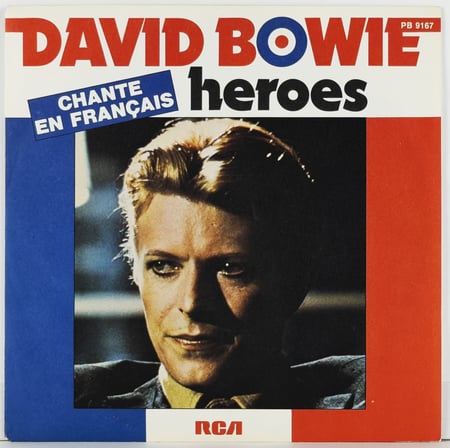
Bowie's commercial peak came with constant reinvention throughout the 1970s and 1980s. His Berlin Trilogy - "Low," "Heroes" (1977), and "Lodger" (1979) - created with Brian Eno, pioneered ambient and electronic music within rock. The 1980s brought mainstream success with "Let's Dance" (1983), produced by Nile Rodgers, which sold over 10 million copies and spawned hits including the title track and "Modern Love." His acting career paralleled his music, with notable roles in "The Man Who Fell to Earth" (1976), "Labyrinth" (1986), and "The Prestige" (2006). Bowie sold over 100 million records worldwide, with 11 number-one albums in the UK and numerous platinum certifications globally. His influence extended to virtually every alternative and art rock act that followed, from punk to new wave to indie rock.
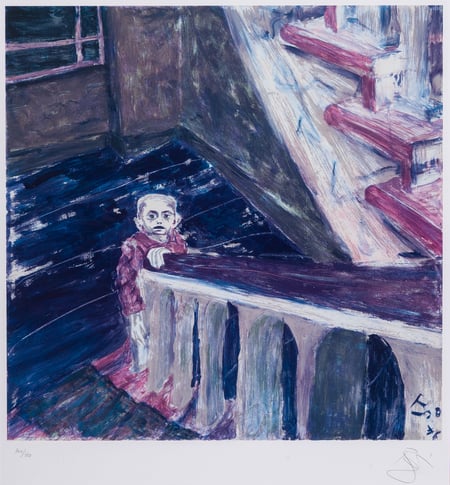
Beyond commercial success, Bowie's cultural impact reshaped perceptions of identity, sexuality, and artistry in popular music. He openly discussed his bisexuality in 1972, becoming an icon for LGBTQ+ communities despite later describing it as partially theatrical. His approach to visual presentation - working with designers like Kansai Yamamoto and Alexander McQueen - elevated rock fashion to high art. Collaborations with artists from Iggy Pop to Queen to Trent Reznor demonstrated his ability to elevate and inspire other musicians. His paintings and art collection revealed a serious engagement with visual arts, while his BowieNet in 1998 made him one of the first major artists to embrace the internet. The 1990s saw experimental phases with drum and bass and industrial music, refusing to rest on past successes.
Bowie's final years demonstrated undiminished creativity and courage. After a decade-long hiatus, he returned with "The Next Day" (2013), which debuted at number one in multiple countries. His final album, "Blackstar" (2016), released on his 69th birthday and two days before his death from liver cancer on January 10, 2016, served as a haunting farewell that topped charts worldwide and won five Grammy Awards. The album's experimental jazz-rock fusion and themes of mortality revealed an artist confronting death with characteristic innovation. His passing triggered global mourning and recognition of his transformative impact on music, fashion, film, and art. Posthumous sales exceeded 5 million albums in 2016 alone, while tributes from artists across all genres confirmed his status as one of popular culture's most important figures, whose influence continues to shape contemporary music and art.